
Sweetbay Magnolia Bonsai Tree Review: Worth Growing?

The Sweetbay Magnolia Bonsai Tree Plant is a live Magnolia virginiana starter intended for growers who want to develop and train their own outdoor bonsai. Its main use is giving beginners and hobbyists a rooted 12–18-inch young tree that can be shaped gradually rather than buying a finished display bonsai.
This Sweetbay Magnolia Bonsai review focuses on the practical value of its live rooted format, training potential, outdoor growing needs, and lack of an included pot. It occupies the DIY starter-tree end of the bonsai market, making it more suitable for hands-on growers than buyers wanting an already styled centerpiece.
🏆 My Quick Verdict
💡 Best For: Growers who want a young outdoor magnolia they can pot, establish, prune, and develop as a long-term bonsai project.
⚡ Key Specs:
Sweetbay Magnolia; live rooted starter plant; approximately 12–18 inches tall; supplied without a pot; intended for container or bonsai training.
✅ Bottom Line: This is appealing training material for someone who enjoys building a bonsai from a young tree. The main trade-off is that it arrives as a starter rather than a finished, potted bonsai, so proper establishment comes before styling.
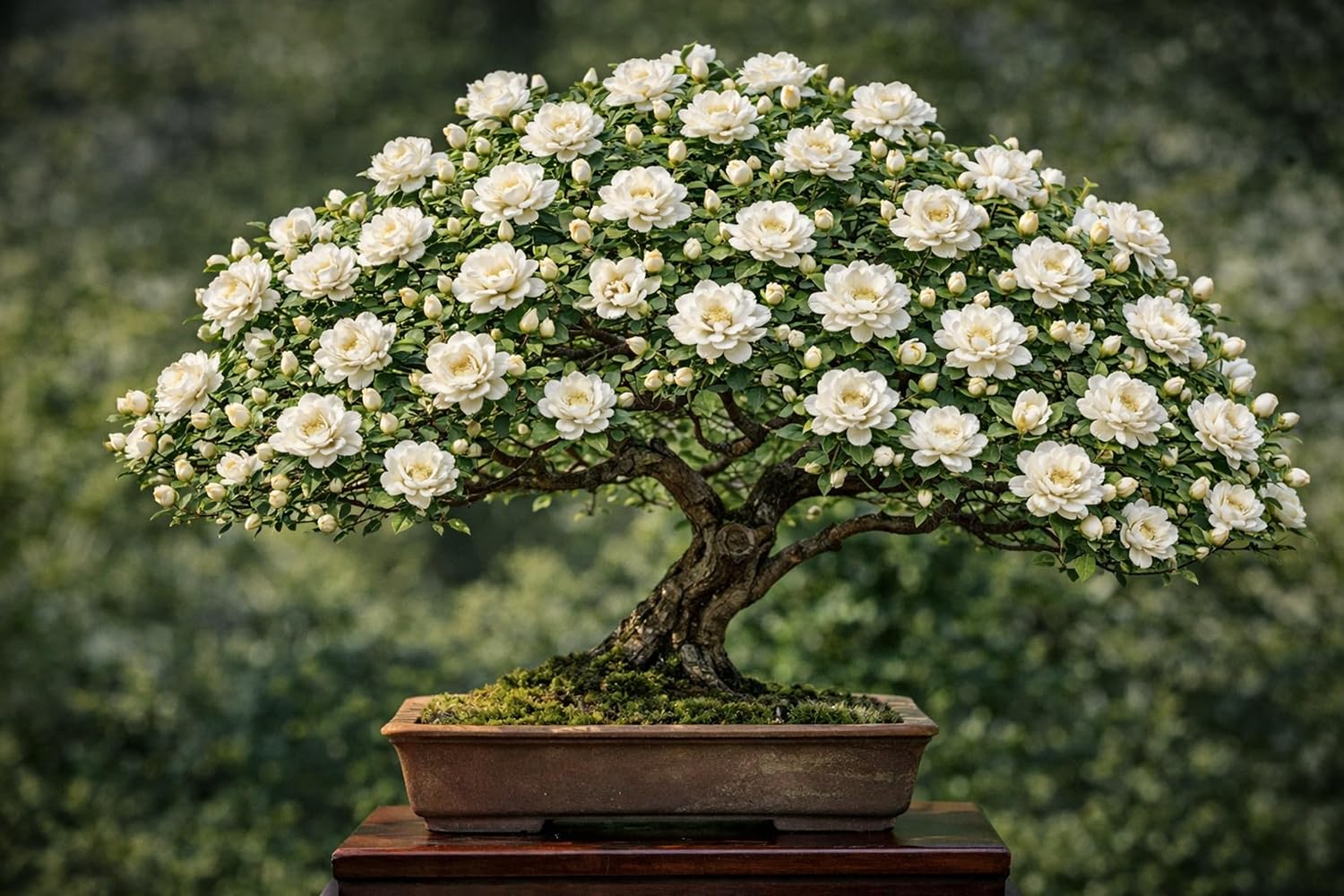
At a Glance
- Arrives as one young rooted Sweetbay Magnolia intended for further training.
- The listed plant height is approximately 12–18 inches.
- No bonsai pot is included, so buyers need their own suitable container.
- The species can grow in full sun or partial shade outdoors.
- Sweetbay Magnolia prefers dependable moisture rather than prolonged dry conditions.
- It suits patient growers more than buyers wanting an instantly finished bonsai.
Sweetbay Magnolia Bonsai Specifications
| Specification | Verified Detail |
|---|---|
| Plant | Sweetbay Magnolia |
| Botanical species | Magnolia virginiana |
| Supplied quantity | One seedling/rooted starter plant |
| Listed height | 12–18 inches |
| Pot included | No |
| Growing position | Full sun to partial shade |
| Moisture preference | Moist conditions; low drought tolerance |
Design & Build Quality
The value here comes from living structure rather than manufactured accessories. You receive young plant material that leaves plenty of room for future branch selection, pruning, and trunk development.
Sweetbay Magnolia naturally carries glossy green foliage with paler undersides, while mature trees can produce fragrant creamy-white flowers. As bonsai material, however, the early priority should be vigor and structural development rather than immediate flowering.
The absence of a decorative pot is important. It gives you freedom to choose a training container, but it also means this is less gift-ready than a finished bonsai.
Setup, Installation & Ease of Use
- Unpack the live plant promptly and inspect the roots and stems for shipping stress.
- Prepare a free-draining container or training box before leaving exposed roots unattended.
- Position the roots naturally instead of forcing them into an undersized decorative pot.
- Secure the tree gently if movement in the container could disturb new root establishment.
- Water thoroughly after planting while still allowing excess water to leave the container.
- Delay aggressive styling until the plant shows stable, healthy growth after establishment.
- Keep the container outdoors in light appropriate for Sweetbay Magnolia.
Core Performance & Feature Breakdown
The strongest feature is the amount of development work left to the owner. A young rooted tree gives you more control over future structure than an inexpensive bonsai that has already been shaped into a fixed commercial silhouette.
Magnolia virginiana also tolerates naturally moist environments better than many familiar landscape trees. For container culture, that does not mean using stagnant soil; drainage and root aeration still matter.
Water management deserves particular attention because Sweetbay Magnolia has low drought tolerance. A shallow bonsai container can dry faster than garden soil, so moisture should be checked rather than assumed.
Expert Insight
Treat this as pre-bonsai material first and a display tree second. Establishing healthy roots and strong growth before heavy pruning gives you far more useful material for future styling.
Beginners comparing species can also review our guide to outdoor bonsai trees for beginners to understand how magnolia differs from common juniper and elm choices.
Key Features Explained
Rooted Starter Format
The product begins with a live rooted plant instead of seeds, removing the germination stage from the project. You still need patience because meaningful bonsai structure develops over multiple growing seasons.
12–18-Inch Starting Height
The listed size provides enough young growth to begin assessing trunk line and branch placement. Actual living plants naturally vary, so exact shape and proportions should not be expected to match a product image.
Outdoor Magnolia Character
Sweetbay Magnolia offers broad leaves and the potential for fragrant creamy flowers as the plant matures. Its natural foliage scale means styling expectations should differ from very fine-leaved elm or juniper bonsai.
Buyer-Selected Container
No pot is included, which lets you choose a training container based on root condition and development goals. The trade-off is extra setup before the tree is ready to settle into its new environment.
Real-World Usability & Maintenance
Routine ownership centers on light, moisture, drainage, and controlled pruning. Sweetbay Magnolia grows in full sun to partial shade and performs naturally in moist conditions, so letting a small container remain bone-dry is a poor strategy.
Do not rush to create a shallow exhibition profile immediately after delivery. A roomier training container can make more sense while you are building roots, trunk thickness, and usable branches.
If your mix remains saturated for unusually long periods, review our guide on why bonsai soil stays wet before simply adding more water.
Pros & Cons
Pros
- Rooted starter skips the slow and uncertain seed-germination stage.
- Young structure gives the owner substantial freedom for future training.
- Sweetbay Magnolia provides distinctive broadleaf character and seasonal interest.
- No fixed decorative pot means you can choose a container for development needs.
Cons
- It is not a finished bonsai and requires long-term development.
- No pot is included with the starter plant.
- Low drought tolerance makes moisture management important in containers.
Common Issues & Fixes
The Plant Looks Dormant After Arrival
A shipped live plant can arrive with limited visible growth depending on its seasonal condition. Pot it appropriately, provide suitable moisture and light, and judge establishment by new healthy growth rather than immediate appearance.
The Container Dries Too Quickly
Small pots can lose moisture rapidly during warm or windy weather. Check the growing medium regularly and adjust container size, placement, or watering frequency rather than relying on a fixed calendar.
The Tree Feels Too Young to Style
A 12–18-inch starter may need growth before meaningful refinement. Use the early stage to build vigor and trunk structure instead of forcing an instant finished-bonsai appearance.
What to Know Before You Buy
This product makes the most sense when you understand that “bonsai tree plant” describes its intended use, not a finished artistic state. You are buying development material that still needs a pot, establishment time, pruning, and ongoing training.
You also need an outdoor growing location with suitable light. Buyers wanting a permanent indoor desk bonsai should choose a species adapted to indoor conditions instead.
Finally, live plants vary naturally. Height may fall within the stated range while trunk movement, root shape, branching, foliage density, and seasonal appearance differ from photographs.
Who Should Buy It / Who Should Skip It
✅ Who Should Buy It
- Beginners who want to learn bonsai development from young live material.
- Growers with an outdoor space offering suitable sun or partial shade.
- Hobbyists who prefer selecting their own training container and soil.
- Patient owners interested in shaping a broadleaf native tree over time.
✗ Who Should Skip It
- Buyers wanting a mature bonsai that is display-ready immediately.
- Anyone needing a tree that can remain permanently indoors.
- Owners who cannot monitor moisture during hot or drying conditions.
- Gift buyers who specifically want a decorative bonsai pot included.
Alternatives to Consider
Brussel’s Bonsai Chinese Elm
Best For: Beginners wanting a more established traditional outdoor bonsai.
Main Advantage: Chinese Elm has small foliage and responds well to routine bonsai pruning.
Trade-off: It gives you less from-scratch development than a young magnolia starter.
Key Spec: Common small models are sold as established live bonsai in ceramic containers.
Brussel’s Green Mound Juniper
Best For: Beginners who prefer a classic evergreen outdoor bonsai.
Main Advantage: Juniperus procumbens ‘Nana’ is widely used for pruning and bonsai training.
Trade-off: It lacks the broad leaves and flowering character of Sweetbay Magnolia.
Key Spec: Brussel’s lists Green Mound Juniper as Juniperus procumbens ‘Nana’.
Is It Worth It?
The Sweetbay Magnolia starter is worth considering when your goal is learning development rather than buying instant decoration. Its rooted format removes seed germination while still leaving enough unfinished growth for meaningful training decisions.
The value drops if you want a mature trunk, refined branch pads, or an included ceramic pot from day one. Those buyers will likely be happier with an established Chinese Elm or Juniper bonsai.
Final Verdict
The Sweetbay Magnolia Bonsai Tree Plant is a compelling project tree for patient outdoor growers who want hands-on control over potting and future styling. Choose it for the development experience and distinctive Magnolia virginiana character, not because you expect a finished bonsai straight from the box.
Frequently Asked Questions
Is the Sweetbay Magnolia Bonsai already trained?
No, it is primarily a young starter plant for future bonsai training. Buyers should expect to establish, prune, shape, and develop the tree rather than receive a mature exhibition-style bonsai.
How tall is the Sweetbay Magnolia Bonsai starter?
The listed plant height is approximately 12–18 inches. Because it is a live plant, exact proportions and branching can naturally vary.
Does this Sweetbay Magnolia come with a bonsai pot?
No, a pot is not included. You will need to choose a suitable container or training box based on the plant’s roots and development stage.
Can Sweetbay Magnolia grow indoors?
It is better treated as an outdoor tree rather than a permanent indoor bonsai. Magnolia virginiana naturally grows in full sun to partial shade and benefits from appropriate outdoor seasonal conditions.
How should I water a Sweetbay Magnolia bonsai?
Keep the root zone appropriately moist without using stagnant, poorly aerated soil. Sweetbay Magnolia has low drought tolerance, while a bonsai container still needs dependable drainage.
What warranty comes with the plant?
Check the current seller listing before purchase because live-plant warranty and replacement terms can vary by retailer and seller. Do not assume that policies displayed by one marketplace automatically apply to another.
Affiliate disclosure: Our Bonsai earns a small commission when you purchase through links on this page — at no extra cost to you. Our editorial process is independent: affiliate relationships never influence which products we recommend or how we rank them.
